Skip to content
Practical sustainability Irish farming

Sustainable Irish Farming

Our approach focuses on routines we can explain, track, and improve. That includes pasture rotation, hedgerow maintenance, careful water use, and waste reduction in processing and packaging. We share the context behind these choices so you can understand what sustainability means on a working dairy farm in Ireland.

Ask a question

Pasture care

Rotation and recovery periods to support ground cover and grass growth.

Water efficiency

Targeted cleaning cycles and maintenance to reduce avoidable water use.

Waste reduction

Packaging choices and process checks that reduce spoilage and waste.

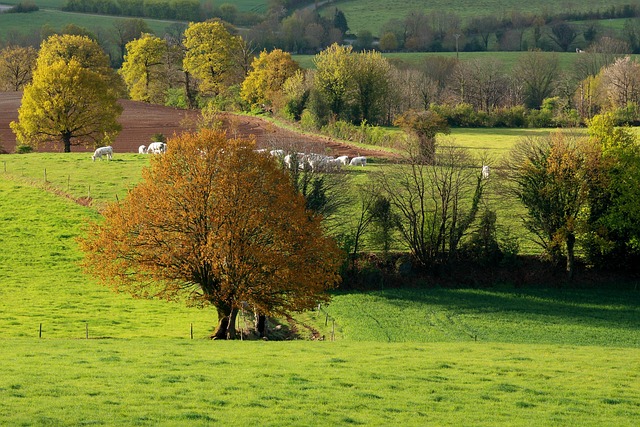
Irish hills and hedgerows near a dairy farm pasture

Landscape and biodiversity

This image area is reserved for an approved photograph of Irish hills, hedgerows, and grazing land.

Our Sustainability Principles

Sustainability is easiest to trust when it is described in practical steps that fit real farm constraints. At Beravoz, we focus on land stewardship, efficient use of resources, and clear information for customers and partners. Our goal is to keep dairy production resilient across seasons, protect the quality of our local environment, and maintain routines that support animal welfare and product safety.

On this page you will find an overview of how we plan grazing, protect soils, reduce waste, and improve operational efficiency. We avoid overstated claims and instead share what we do, why we do it, and how we check progress. If you need a specific detail for procurement or due diligence, contact us and we will respond with the most relevant information we can provide.
Soil and pasture health

We use grazing rotations and recovery periods to support root structure, ground cover, and grass regrowth. This helps reduce pressure on fields during wet spells and supports long-term productivity.

Our pasture decisions are based on conditions on the ground, not fixed calendars, so we can adjust when weather changes.

Hedgerows and habitats

Hedgerows provide shelter for wildlife and help define field boundaries. We maintain them as living features, balancing access and habitat while keeping lanes and access points safe.

We also aim to keep non-productive margins stable where possible to support biodiversity on the farm.

Water and hygiene

Dairy requires strong hygiene routines. We focus on efficient cleaning cycles, equipment checks, and planned maintenance that reduce waste while meeting operational needs.

This approach is designed to keep standards reliable without relying on excessive use of water or consumables.

Packaging and waste

We work toward packaging decisions that balance protection, shelf life, and recyclability. We also aim to reduce spoilage through clear storage guidance and practical cold handling.

Waste reduction includes small operational checks that improve consistency across batches and deliveries.

Pasture Rotation and Soil Care

Pasture is central to Irish dairy, but it needs management to remain productive. We use rotational grazing to spread pressure across fields, give grass time to recover, and support consistent ground cover. This helps reduce damage during wet periods and supports more even grass quality over time. Rotations also make it easier to monitor pasture performance and adjust stocking decisions when growth slows or conditions change.

Soil care is part of the same system. When fields are overused, compaction can increase and pasture resilience can decline. Our aim is to make measured decisions: moving animals based on conditions, planning access routes, and maintaining gateways and lanes so that movement stays controlled. These steps support long-term productivity and help protect local waterways by reducing runoff.

What we track in practice

  • Field condition checks before moving cattle
  • Recovery time between grazing periods
  • Access route upkeep to reduce soil damage
  • Notes on seasonal changes that affect growth
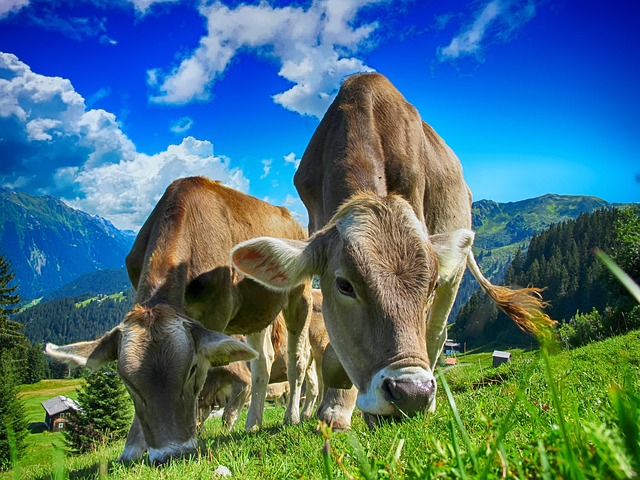
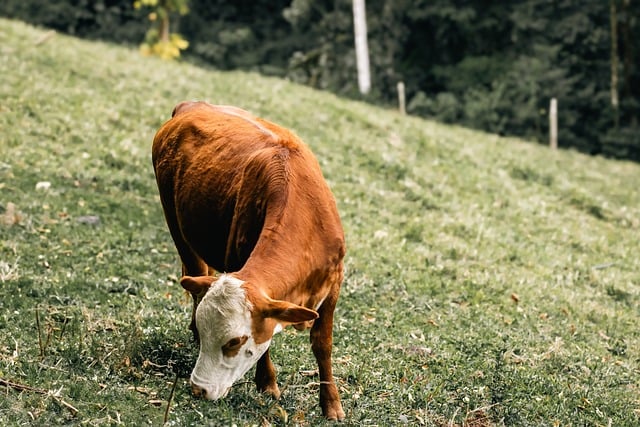
Irish pasture rotation with cows grazing and field boundary hedgerow

Rotational grazing

Field-by-field movement supports recovery and reduces repeated wear in the same areas.

close-up of green grass and soil texture on Irish dairy farm

Soil condition

We watch for compaction risk and adjust movement and access routes accordingly.

rolling Irish hills near dairy farm with hedgerows and fields

Landscape stewardship

The Irish landscape is part of our product story, so we aim to protect what makes pasture possible: healthy soils, stable boundaries, and clean routes for movement.

Image note: replace the empty src attributes with approved photography of Irish hills, hedgerows, and pasture rotation scenes. The site does not load external image URLs by design.

Water Use, Cleaning, and Efficiency

Hygiene is non-negotiable in dairy. The sustainability question is how to meet operational needs efficiently, with routines that reduce avoidable consumption. We focus on planned cleaning schedules, equipment checks, and careful dosing so cleaning is effective without being excessive. When processes are consistent, there is less rework and fewer unexpected issues that lead to waste.

Efficiency is also a quality issue. Temperature control and clean handling reduce spoilage risk and help products reach customers in good condition. That matters for households and for food service buyers who need predictable performance. Our site content aims to explain this link between careful handling, waste reduction, and customer outcomes without making exaggerated claims.

Cold handling

Maintaining suitable temperatures helps protect quality and reduces avoidable product loss across the supply chain.

Preventive maintenance

Routine checks reduce downtime and help avoid repeated cleaning cycles caused by avoidable equipment issues.

Process consistency

Clear steps and training support reliable hygiene outcomes and reduce the need for corrective rework.

Waste prevention

Fewer errors and better handling reduce spoilage and limit the volume of materials that end up as waste.

If you are a café or retailer and need handling guidance for ordering, storage, or delivery planning, use our contact page and tell us what format you need.

Packaging and Food Waste Reduction

Packaging has a real job to do: protect dairy quality, provide safe storage, and help customers use products within recommended dates. Our approach is to consider durability, recyclability, and clarity of labelling together. A package that fails early can cause unnecessary waste, while unclear guidance can lead to avoidable spoilage at home or in food service settings.

We also treat food waste reduction as part of quality management. Better temperature control, consistent handling, and clear product notes help reduce returns and reduce the chance of product loss. If you are a buyer comparing suppliers, we can share practical information about formats and handling expectations through our contact page.

Clear guidance

Storage notes and use-by information support safer use and reduce avoidable waste in the kitchen.

Reliable handling

Consistent temperature management and packaging integrity help protect products in transport.

milk bottles and dairy packaging on rustic wooden table

Designed to protect quality

Packaging decisions balance protection, shelf stability, and practical end-of-life considerations. Where possible, we aim to avoid unnecessary materials and focus on clear, functional formats.

Important note

Sustainability information describes our operational approach and priorities. It does not guarantee specific environmental outcomes in every season. Weather, supply factors, and regulatory requirements can affect practices over time.

Frequently Asked Questions

These answers cover common sustainability questions about grazing, habitats, and how we communicate practices. If you need a specific document or a procurement detail, contact us and we will respond with relevant information.

Do you use rotational grazing?
Yes. Rotational grazing helps manage pasture recovery and supports consistent grass availability. Specific movement schedules depend on conditions, field readiness, and animal welfare needs.
How do hedgerows fit into sustainability?
Hedgerows can support habitats, provide shelter, and help manage field boundaries. We treat them as part of the farm system rather than as a decorative feature, maintaining them while keeping farm access safe.
Do you claim carbon neutrality?
No. We focus on practical operational improvements and clear communication rather than broad claims. We share what we do and why, and we aim to keep information accurate and consistent.
How can I ask for sustainability details as a buyer?
Use the contact page and include what you need: product formats, handling notes, or supplier questionnaires. We respond with the most relevant information we can provide for your request.