Health observation
We look for changes in appetite, movement, and demeanor. Early observation supports timely action and reduces disruption.
Any concerns are handled with professional support and clear separation from normal routines when required.
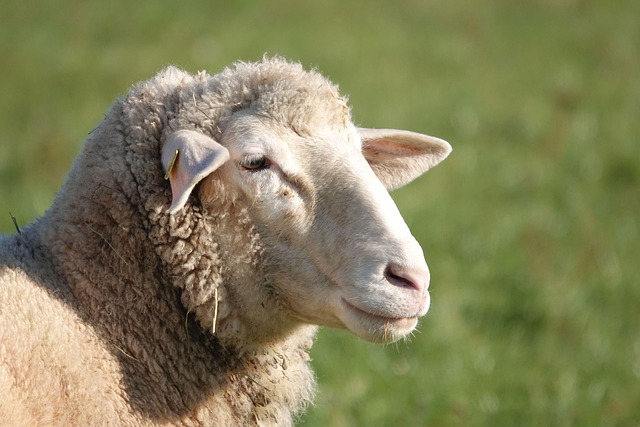
Cow close-up
Replace with an approved herd photograph. Images on this page are set up for hover zoom and remain readable on all screens.
Animal care is a set of small decisions repeated every day. We focus on calm handling and consistency because stress affects behavior, appetite, and comfort. Our routines include clean water access, bedding checks, visual inspections, and a steady milking schedule. When changes are needed, we adjust in a controlled way so animals are not surprised by sudden shifts in movement or environment.
We also keep records that support practical improvements. The goal is not perfection but clarity: what we do, why we do it, and how it is checked. If you want to understand how these routines connect to product handling, the sustainability section explains how pasture planning and resource use fit together across the season.
We look for changes in appetite, movement, and demeanor. Early observation supports timely action and reduces disruption.
Any concerns are handled with professional support and clear separation from normal routines when required.
Clean water access, shelter options, and comfortable lying areas are addressed as part of daily checks.
These basics support steady feeding and calmer movement through milking and grazing transitions.
Predictable pathways, gentle pacing, and consistent cues reduce pressure and help animals settle into routine.
This approach supports safety for staff and helps keep processing steps orderly.
Hygiene routines are planned, recorded, and repeated so milking areas remain clean and practical to work in.
Clean spaces help support food safety expectations and reduce avoidable contamination risk.
Ireland’s grass growth shapes our feeding plan. We rely on pasture grazing when conditions allow and adjust based on rainfall, ground firmness, and the need for fields to recover. Rotational grazing supports regrowth and helps keep ground cover consistent. When weather makes grazing impractical, we use stored feeds as part of a balanced approach designed around animal comfort and safe movement.
We explain pasture planning openly because it gives context to seasonality. You may notice subtle changes in taste across the year, which is normal for dairy that follows the rhythm of grass. If you want the broader view of land stewardship, visit the sustainability page for a practical overview of soil care, hedgerows, and waste reduction.
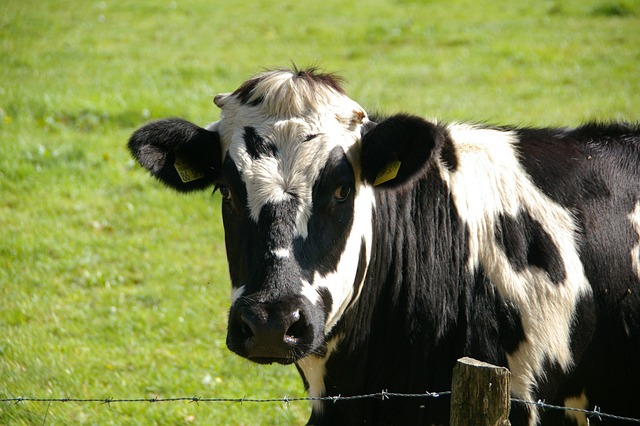
Fields rest and recover between grazing periods, supporting healthy grass cover and steadier conditions.
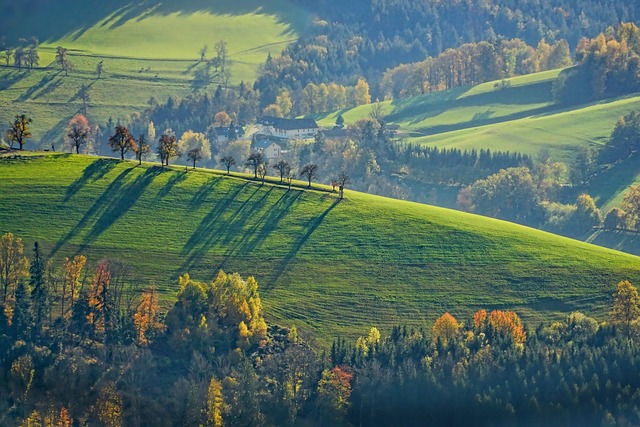
Hedges and field boundaries support wildlife and offer shelter from wind and sudden weather changes.
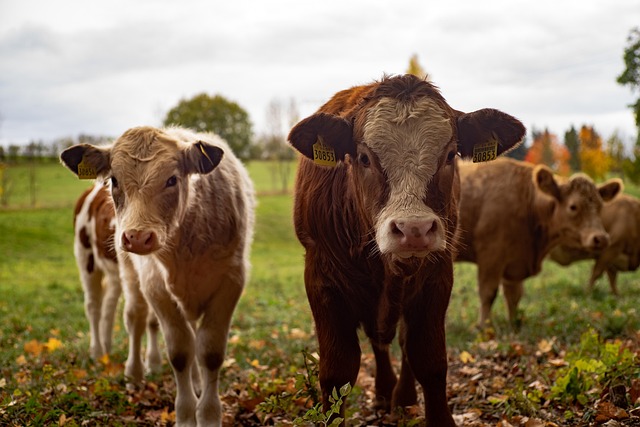
Weather shifts are part of Irish farming. Our approach balances pasture use with safe footing, shelter, and consistent routines.
Clear routines help visitors understand what “pasture-led” means in practice. We keep information neutral and specific so expectations stay realistic across seasons.
If you are reviewing our farm story as part of purchasing decisions, these answers cover the basics. For anything specific to supply, formats, or local availability, contact us and we will respond with practical details.
Learn how pasture planning, resource choices, and product handling fit together across the season.